So, how do you know when a mole is simply part of your skin and when it’s worth getting it checked?
The good news is that most changes turn out not to be skin cancer. However, recognising when something looks different and seeking advice early can make all the difference if treatment is needed.
What does a normal mole look like?
Moles vary from person to person. They can be:
It’s perfectly normal to have several moles, and some people naturally have many more than others.
What changes should you look out for?
A good way to remember the signs is the ABCDE rule:
The most important sign is often change. If a mole starts looking different from how it has in the past, it’s worth having it assessed.
Other signs that shouldn’t be ignored
It’s not just changes in appearance that matter. You should also arrange an assessment if a mole:
Dermatologists sometimes refer to this as the “ugly duckling sign”—a mole that stands out from all the rest.
Should I be worried?
Finding a new or changing mole can feel worrying, but it’s important to remember that most skin changes are not cancer. Changes can occur for many reasons, including ageing, sun exposure or harmless skin conditions.
The purpose of having a mole checked is not to assume the worst—it’s to make sure any concerning changes are assessed promptly and to provide reassurance where appropriate.
How is a mole checked?
During your appointment, your clinician will ask about the mole and examine your skin carefully.
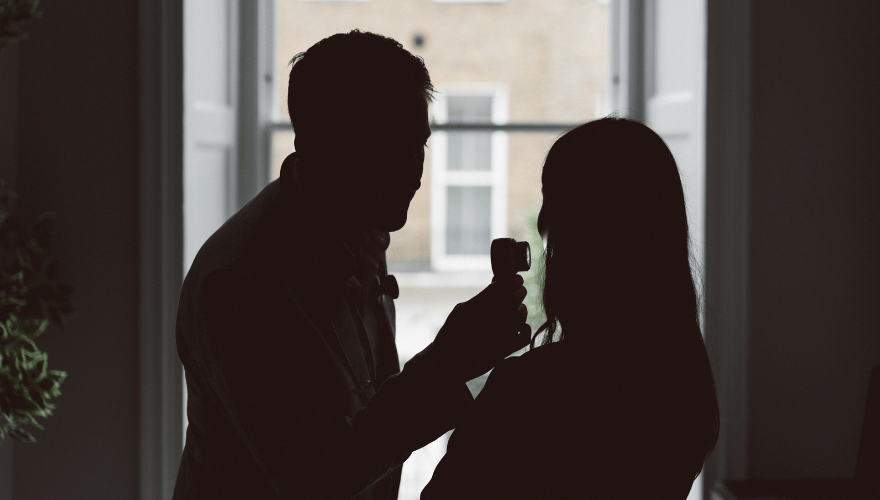
A tool called a dermatoscope may be used to look beneath the surface of the skin. This allows doctors to see structures that aren’t visible to the naked eye and helps determine whether a mole appears harmless or needs further investigation.
If there are features that require specialist assessment, you’ll be advised on the most appropriate next steps, which may include referral for further investigation.
Can I prevent skin cancer?
While not all skin cancers can be prevented, there are simple ways to reduce your risk:
Getting to know your own skin makes it much easier to notice any new or changing lesions.
How Bond Medical can help
At Bond Medical, we understand that noticing a change in your skin can be concerning. Our dermatology service offers thorough skin assessments in a calm, unhurried environment.
Whether you’re seeking reassurance or further investigation, we’ll assess your concerns carefully and advise on the most appropriate next steps.
Book a skin assessment
If you’ve noticed a mole or skin lesion that has changed or you simply want peace of mind, our experienced clinicians are here to help. Early assessment can provide reassurance and, where necessary, ensure prompt referral for further care.
References
Cancer Research UK (2025) Melanoma skin cancer symptoms. Available at: https://www.cancerresearchuk.org/about-cancer/melanoma/symptoms (Accessed: 6 August 2026).
National Institute for Health and Care Excellence (NICE) (2022) Suspected cancer: recognition and referral (NG12). Available at: https://www.nice.org.uk/guidance/ng12 (Accessed: 6 August 2026).
NHS (2025) Moles. Available at: https://www.nhs.uk/conditions/moles/ (Accessed: 6 August 2026).


Schedule a consultation with our professional team. It's quick, easy, and convenient to book online. We're here to help you achieve your health and wellness goals!
Online Booking